

broken laminated glass
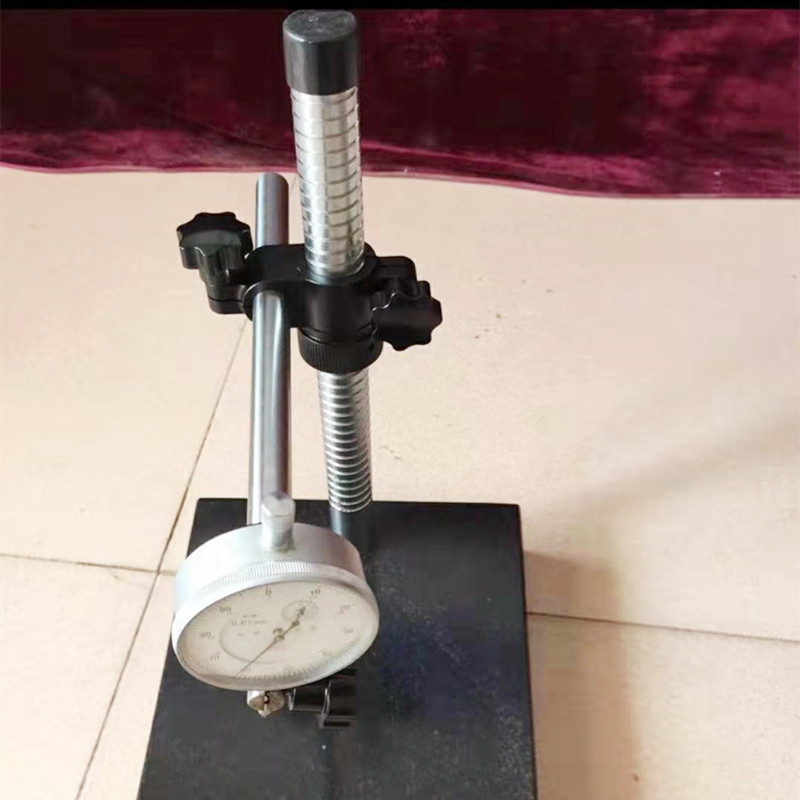
Understanding the Dial Indicator Bore Gauge A Comprehensive Guide When precision machining and engineering meet, the necessity for accurate measurement tools becomes paramount. Among these tools, the dial indicator bore gauge stands out as an essential instrument for measuring the internal diameters of holes, cylinders, and other cylindrical features. This article will delve into the features, applications, and advantages of using a dial indicator bore gauge, ensuring that you understand how to utilize this crucial tool effectively. What is a Dial Indicator Bore Gauge? A dial indicator bore gauge is a precise measurement tool used primarily to measure the internal dimensions of holes and bores. It consists of a dial indicator mounted on a frame with an adjustable arm and a measuring probe. The probe is inserted into the bore, while the dial indicator provides a visual reading of the bore's diameter. The readings can be displayed in either inches or millimeters, depending on the gauge's specifications. Structure and Functionality The design of a dial indicator bore gauge allows it to fit into various types of bores. The key components include 1. Dial Indicator The dial reads the movement of the probe, providing a clear visual representation of the measurements with high accuracy. 2. Measuring Probe Usually made of hardened steel, the probe extends into the bore and can slide along its axis to capture measurements at different points. 3. Calibrating Mechanism This feature allows the user to zero the gauge before taking measurements to ensure accuracy. 4. Adjustable Arm The arm can be adjusted to accommodate different depths and positions within the bore. The gauge works based on the principle of displacement measurement, where the probe's movement correlates with the changes in diameter, allowing for precise readings. Applications in Industry dial indicator bore gauge Dial indicator bore gauges find extensive use across various industries, including - Manufacturing Used in quality control processes to ensure components meet the required specifications. - Automotive Employed in measuring cylinder bores, ensuring engine components are manufactured within strict tolerances. - Aerospace Critical for measuring internal dimensions of precision parts that must adhere to stringent safety and performance standards. - Construction and Maintenance Useful in evaluating the wear and tear of equipment and machinery, especially in large industrial settings. Advantages of Using a Dial Indicator Bore Gauge 1. High Precision With the ability to measure internal diameters accurately, these gauges can detect even the slightest deviations that may affect performance. 2. Easy to Use Although expertise is required for optimal results, the basic operation of a dial indicator bore gauge is straightforward, making it accessible to a wide range of users. 3. Versatile Suitable for various bore sizes and depths, making it a versatile tool in any measurement toolkit. 4. Durability Made from robust materials, these gauges are designed for longevity, even under demanding industrial conditions. 5. Cost-Effective Investing in a high-quality dial indicator bore gauge can lead to savings in rework and material costs by ensuring that parts are produced correctly the first time. Conclusion The dial indicator bore gauge plays a vital role in ensuring the quality and precision of machined parts in numerous industries. Its ability to provide accurate internal measurements contributes significantly to product reliability and efficiency. Understanding how to utilize this tool effectively will undoubtedly enhance your measurement capabilities, ensuring that you achieve precision in your engineering endeavors. Whether you're in manufacturing, automotive, or aerospace, the dial indicator bore gauge is an indispensable addition to your measurement arsenal.
about
broken laminated glass
Understanding Level Frames Pricing A Comprehensive Guide In the world of custom framing, pricing strategies play a critical role in shaping customer experiences and business success. One such pricing model that has gained considerable traction is the level frames pricing strategy. This guide will explore what level frames pricing entails, its advantages for both consumers and businesses, and how it can reshape the way framed art and photographs are sold. What is Level Frames Pricing? Level frames pricing is a structured approach to pricing custom frames based on a defined set of options. Instead of the traditional method where each frame, mat, and glass choice can significantly alter costs, level frames pricing simplifies the decision-making process. It categorizes frames into different levels or tiers, each with a set price point. Typically, the levels range from basic to premium, allowing consumers to select a frame style that aligns with both their aesthetic preferences and budget constraints. The Levels Explained Generally, there are three main levels in this pricing model 1. Basic Level This category features simpler, more economical frames. These frames often have fewer custom options, utilizing standard materials that are less costly. Basic level frames can be ideal for budget-conscious consumers or for displaying less significant pieces of art. 2. Mid-Level Mid-level frames incorporate more options and slightly upgraded materials, striking a balance between quality and affordability. This tier is perfect for customers looking to enhance their decor without breaking the bank. The designs tend to be more versatile, accommodating various art styles and settings. 3. Premium Level The premium level offers the best materials and an extensive range of customization options. These frames cater to discerning customers who seek high-quality products that enhance the presentation of their art. The premium tier often includes unique moldings, archival-quality materials, and specialized glass options. level frames pricing Advantages for Consumers One of the main advantages of level frames pricing for consumers is its simplicity. By categorizing frames, customers can quickly understand which options are available within their budget. This transparency minimizes the frustration often encountered when faced with overwhelming choices, making the shopping experience more enjoyable. Additionally, consumers appreciate the value offered at each pricing level. Level frames pricing ensures that there is something for everyone, from those looking to frame family photos to serious art collectors wanting to showcase valuable pieces. The structured pricing also makes it easier for customers to compare options and make informed decisions. Benefits for Businesses For businesses that adopt a level frames pricing model, the benefits are equally significant. This pricing strategy can streamline production and inventory management, allowing companies to predict demand and manage stock more efficiently. Additionally, having clearly defined price levels can enhance marketing efforts, as promotional campaigns can target specific tiers to appeal to different demographic groups. Furthermore, level frames pricing can help improve customer loyalty. By offering a clear path for customers to upgrade as their tastes or budgets change, businesses can foster long-term relationships with clients. Satisfied customers are likely to return for additional framing needs and recommend the service to friends and family. Conclusion Level frames pricing represents a modern approach in the custom framing industry, offering significant advantages for both consumers and businesses. By simplifying the decision-making process and providing clear value at different price points, this model addresses common pain points associated with traditional framing purchases. As more businesses recognize the benefits of adopting this approach, level frames pricing is poised to become a standard in the marketplace. Whether for personal decor or professional displays, understanding this pricing strategy can provide a rewarding framing experience for everyone involved.
-

High quality industrial productsagement

High quality industrial products
View Details -

Meet the diverse needs of customers

Meet the diverse needs of customers
View Details -

Strict quality control

Strict quality control
View Details -

Top raw materials

Top raw materials
View Details -

Trusted supplier

Trusted supplier
View Details
Our application


news and information

water valve which way is open
Understanding Water Valves Determining the Open Position Water valves play a crucial role in plumbin

What Is the Difference Between Y Type Strainer and Basket Type Strainer_
In fluid systems, strainers play a crucial role in ensuring the cleanliness and efficiency of the pr
Water Percentage Cut-Off Valve for Efficient Flow Control Systems
Understanding Water Cut-Off Valves An Essential Component in Fluid Management Water cut-off valves a
 English